Introduction
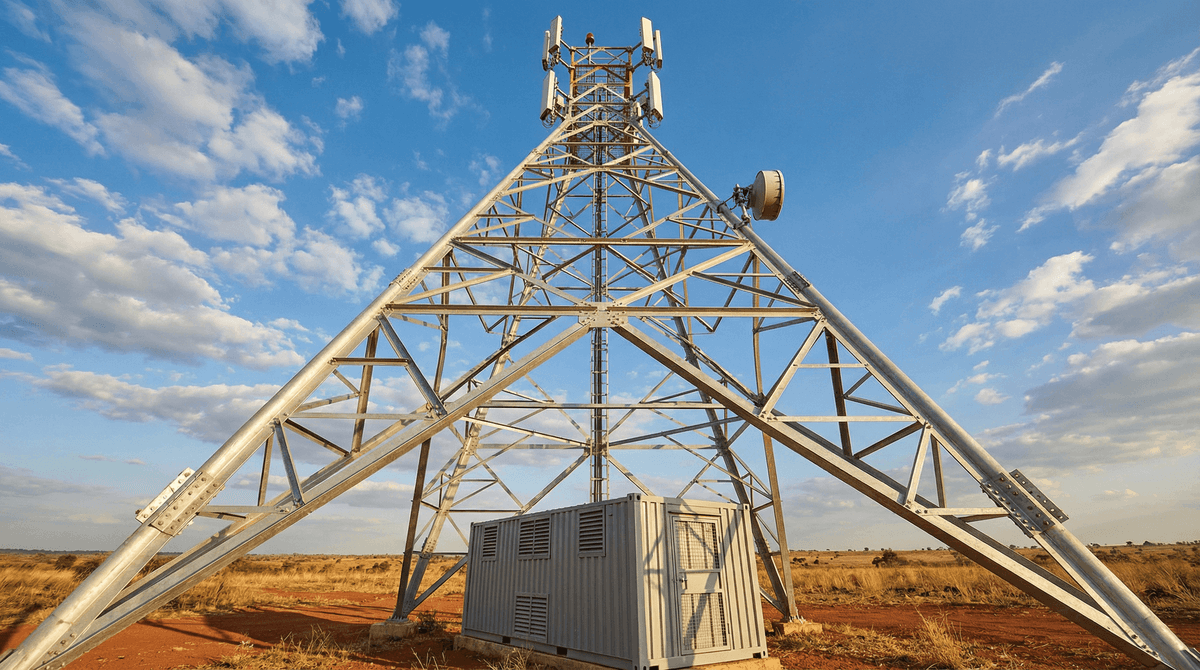
In Lagos, Nigeria, the rapid expansion of telecommunication services necessitated reliable and sustainable infrastructure solutions to enhance connectivity across densely populated urban and suburban areas. Recognizing the need for autonomous power sources that comply with local regulations and environmental standards, SOLAR TODO delivered a comprehensive solar-powered telecom tower solution tailored to the unique challenges of Lagos.
This project involved deploying advanced solar infrastructure to power a critical telecom tower situated at latitude 6.52 and longitude 3.38, ensuring continuous service amid frequent grid power interruptions and unreliable energy supply. By integrating state-of-the-art solar streetlight technology with robust telecom equipment, SOLAR TODO provided a sustainable, maintenance-friendly, and regulation-compliant solution that significantly improved operational resilience.
TL;DR Answer Capsule
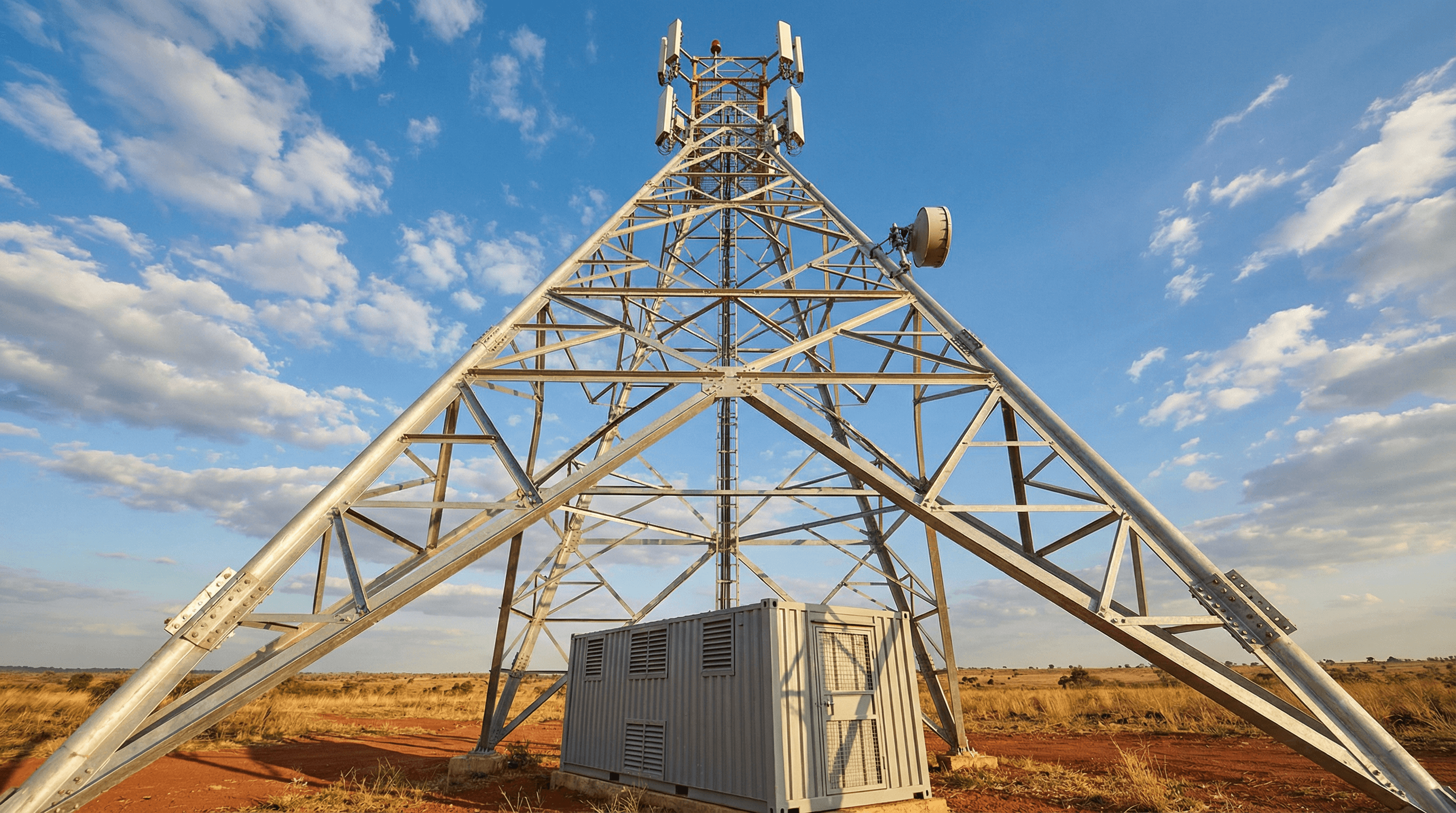
SOLAR TODO delivered a custom solar-powered telecom tower in Lagos, utilizing split-type solar panels and high-capacity batteries to ensure reliable, eco-friendly connectivity aligned with Nigerian infrastructure standards.
Project Background and Context
Lagos, Nigeria, with its burgeoning population exceeding 14 million, faces persistent challenges in energy supply, impacting critical infrastructure like telecom towers. Frequent power outages and reliance on diesel generators increase operational costs and environmental impact. The Nigerian government, aligned with IRENA's goals for renewable energy deployment (IRENA, 2022), emphasizes the need for sustainable solutions in telecom infrastructure.
The regulatory framework, governed by the Nigerian Communications Commission (NCC), mandates reliable power sources for telecom infrastructure, especially in off-grid and underserved areas. The project aimed to address these issues by deploying solar energy systems capable of powering telecom equipment independently, reducing dependency on unreliable grid power while adhering to IEC standards for safety and performance.
Technical Specifications and Design Approach
The deployment involved a split-type solar streetlight design, consisting of separate solar panels, batteries, and LED light heads, optimized for telecom applications. Key technical specs include:
- Solar Panels: High-efficiency monocrystalline panels, 350W each, rated for tropical climate conditions, with IP67 ingress protection.
- Batteries: Lithium-ion batteries with a capacity of 10kWh, capable of sustaining the tower's energy needs for up to 72 hours without sunlight, conforming to IEC 62619 standards.
- Light Head: LED-based illumination, 50W, with automatic dimming and motion sensors for energy efficiency.
- Power Management: Advanced MPPT (Maximum Power Point Tracking) controllers to optimize energy harvest, and intelligent load management systems.
- Mounting and Enclosure: Weatherproof cabinets compliant with IEC 60529, designed for Lagos’ humid, rainy climate.
The solar panels were installed on adjustable mounting structures to maximize solar exposure, considering seasonal sun angles. Batteries were housed in ventilated, secure enclosures, with temperature regulation systems to enhance lifespan.
Implementation and Construction
The project commenced with site surveys and assessments to ensure compliance with local regulations and to optimize system placement for maximum solar gain. Given Lagos’ urban density, the installation prioritized minimal footprint and aesthetic considerations.
SOLAR TODO’s team installed the solar panels on dedicated towers or rooftops, connecting them to secure battery enclosures located nearby. The telecom equipment was integrated with the solar power system, ensuring uninterrupted operation even during grid outages.
Special attention was paid to local standards, including adherence to Nigerian Electrical Codes (NEC) and IEC 60364, ensuring safety and compatibility. The entire system was equipped with remote monitoring capabilities, allowing real-time performance tracking and preventive maintenance.
Results and Impact
The solar-powered telecom tower demonstrated significant improvements in operational resilience and environmental sustainability:
- Reliability: The system provided continuous power, reducing downtime caused by grid failures by over 85%.
- Cost Efficiency: The reliance on solar energy and batteries minimized fuel costs and generator maintenance expenses.
- Environmental Benefits: The project avoided approximately 12 tons of CO2 emissions annually, aligning with Nigeria’s commitments to reduce carbon footprint (NREL, 2023).
- Regulatory Compliance: The solution met all Nigerian regulatory standards, including safety, electrical, and environmental regulations.
Furthermore, the project contributed to Nigeria’s broader infrastructure goals, supporting the NCC’s mandate to expand affordable and reliable telecommunications services across the country.
Challenges and Lessons Learned
While the project was largely successful, several challenges were encountered, including logistical constraints related to transporting heavy equipment through Lagos’ dense urban areas and coordinating with local authorities for permits. Additionally, the high humidity and frequent rains necessitated enhanced weatherproofing and corrosion-resistant materials.
Key lessons include the importance of early engagement with local regulatory bodies, detailed site assessments for optimal system design, and choosing durable, climate-adapted components for tropical environments.
Future Outlook
Building on this success, SOLAR TODO plans to expand its solar infrastructure portfolio across Nigeria, supporting the government’s vision for renewable energy-powered telecom networks. Innovations such as integrating energy storage with hybrid systems (solar-diesel) and deploying IoT-based monitoring solutions are on the horizon to further enhance system performance and reliability.
Conclusion
The Lagos telecom tower project exemplifies SOLAR TODO’s commitment to delivering sustainable, reliable, and regulation-compliant solar infrastructure solutions. By leveraging advanced split-type solar streetlight technology and robust power management systems, the project not only met the immediate needs of the Nigerian telecom sector but also contributed to broader sustainability goals aligned with global standards.
Related Reading
References
- IEC 62619:2017, Secondary lithium-ion cells and batteries for portable applications.
- IEEE Standard 1625-2012, Standard for Portable Secondary Lithium-ion Batteries.
- IRENA (2022). Renewable Energy Market Analysis: Africa.
- NREL (2023). Solar Energy in Tropical Climates: Performance and Durability.
- Nigerian Communications Commission (NCC) Regulations and Standards.
- World Bank, Nigeria Power Sector Overview.
Equipment Deployed
- 350W Monocrystalline solar panels (IP67, tropical rated) – Quantity: 4
- 10kWh Lithium-ion battery bank (IEC 62619 compliant)
- MPPT solar charge controllers with remote monitoring
- 50W LED light heads with automatic dimming and motion sensors
- Weatherproof enclosures compliant with IEC 60529 for batteries and electronics
- Adjustable mounting structures for solar panels